|
|
|
|
|
flocculant mixing systems BEST FEATURES
|
|
|

|
|
|

|
|
flocculant types / what is poly aluminium chloride / poly aluminium chloride uses / polyacrylamide use / polyacrylamide formation: LKP BTC provides extensive technical expertise on their products. They explain the different "types of flocculants" (anionic, cationic, nonionic polyacrylamide) and their specific applications. They detail "what poly aluminium chloride is" – an inorganic coagulant – and its "uses" in removing suspended solids. For "polyacrylamide," they cover its "use" as a flocculant to aggregate fine particles and its chemical "formation" process. |
|
|
|
|
|
READ MORE
|
|
|

|
|
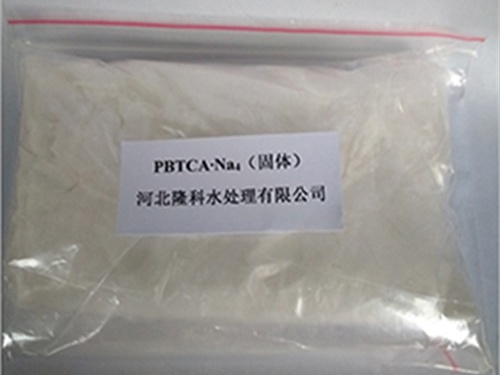
pbtc chemical pbtc: LKP BTC manufactures "PBTC" (Phosphonobutane Tricarboxylic Acid), a high-performance scale and corrosion inhibitor known for its excellent calcium carbonate inhibition and chlorine stability. |
|
|
|
|
|
READ MORE
|
|
|
|

|
|
diethylene triamine penta / diethylene triamine penta methylene phosphonic acid / diethylenetriamine penta / diethylenetriamine penta methylene phosphonic acid / diethylenetriamine pentamethylene phosphonic acid / dtpmpa / dtpmp: LKP BTC manufactures "DTPMP" or "DTPMPA" (Diethylenetriamine Penta(Methylene Phosphonic Acid)), which is one of the most effective phosphonate inhibitors for scale control, particularly for inhibiting barium sulfate and strontium sulfate scales. It has excellent chelation ability across a wide pH range. |
|
|
|
|
|
READ MORE
|
|
|

|
|
use of corrosion inhibitors / corrosion inhibitors principles mechanisms and applications / use of inhibitors in corrosion control / use of corrosion inhibitors in concrete / corrosion inhibitors in the oil and gas industry / green corrosion inhibitors theory and practice: LKP BTC provides extensive technical support on the "use of corrosion inhibitors." They educate clients on the "principles, mechanisms, and applications" of how their products work to "control" corrosion. This includes specific applications like protecting rebar "in concrete," their critical role "in the oil and gas industry," and the developing science behind "green," environmentally friendly inhibitors. |
|
|
|
|
|
READ MORE
|
|
|
|
|
|
|
|