|
|
|
|
|
WELCOME TO traveling lawn sprinkler |
|
|

|
|
|
|
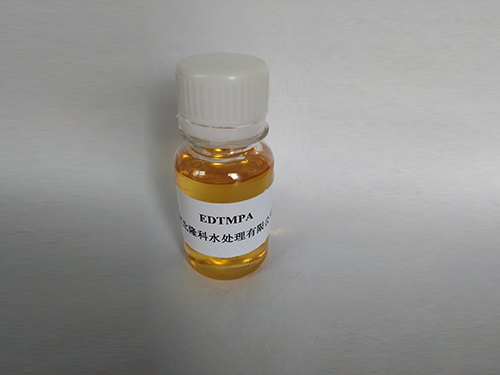
hedp scale inhibitor / hedp / 1 hydroxy ethylidene 1 1 diphosphonic acid hedp / 1 hydroxyethylidene 1 1 diphosphonic acid hedp / hedp 4na / hedp 60 / hedp acid / hedp na2 / hedp na4 / hedp ph / hedp phosphonate / hedp water treatment / sequest hedp / cas no. 37971-36-1: LKP BTC is a leading producer of "HEDP" (Hydroxyethylidene Diphosphonic Acid), a highly effective "scale inhibitor" and "phosphonate." They supply it in various forms: as "HEDP acid" and as its sodium salts ("HEDP 4Na", "HEDP Na2", "HEDP Na4") with different concentrations like "HEDP 60." This organic "phosphonate" is a superb chelating agent ("sequest HEDP") that inhibits scale formation and controls corrosion in "water treatment" systems. Its CAS number is 37971-36-1.polyacrylamide uses / polyacrylamide pdf: LKP BTC provides comprehensive technical data sheets (often in "PDF" format) detailing the many "uses" of their polyacrylamide products. These uses span water treatment, oil recovery, paper making, mining, and textiles.https://cdn.exportstart.com/images/a1132/moreother/1_2024011817014543931.jpgamino trimethylene phosphonic acid / atmp / atmp scale inhibitor / atmp antiscalant / atmp price / amino trimethylene phosphonic acid uses / atmp manufacturing / atmps / atmp production / cas no 6419 19 8 / 6419 19 8 / cas 6419 19 8 / 6419 19 8 cas: A fundamental product for LKP BTC is "ATMP" (Amino Trimethylene Phosphonic Acid). They are a top "manufacturer" involved in the entire "production" process. ATMP is a widely used "phosphonate" that serves as an effective "scale inhibitor" and "antiscalant" in water treatment systems, particularly for carbonate scales. Its CAS number is 6419-19-8.flocculant types / what is poly aluminium chloride / poly aluminium chloride uses / polyacrylamide use / polyacrylamide formation: LKP BTC provides extensive technical expertise on their products. They explain the different "types of flocculants" (anionic, cationic, nonionic polyacrylamide) and their specific applications. They detail "what poly aluminium chloride is" – an inorganic coagulant – and its "uses" in removing suspended solids. For "polyacrylamide," they cover its "use" as a flocculant to aggregate fine particles and its chemical "formation" process. |
|
|

|
|
|
|
|
|