|
|
|
|
|
what is the difference between flocculant and clarifier BEST FEATURES
|
|
|

|
|
|

|
|
1 hydroxy ethylidene 1 1 diphosphonic acid / 1 hydroxy ethylidene 1 1 diphosphonic acid hedp / 1 hydroxyethylidene 1 1 diphosphonic acid / hedp scale inhibitor / hedp antiscalant / hedp manufacturers / hedp suppliers / hedp chemical price / cas no 2809 21 4 / 2809 21 4 / cas 2809 21 4 / 2809 21 4 cas / cas number 2809 21 4 / hedp cas number / hedp cas: LKP BTC is a premier "manufacturer" and "supplier" of "HEDP" (1-Hydroxyethylidene-1,1-Diphosphonic Acid). This is one of the most common and effective "scale inhibitors" and "antiscalants" used globally in water treatment for its excellent chelation and threshold inhibition properties. They provide competitive "pricing" for this key product. Its CAS number is 2809-21-4. |
|
|
|
|
|
READ MORE
|
|
|

|
|
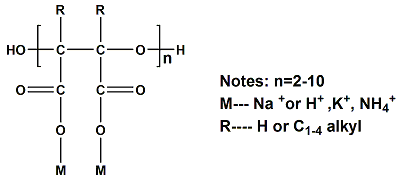
polyaspartic acid / polyaspartic acid sodium salt / polyaspartic acid structure / sodium of polyaspartic acid / cas 181828 06 8 / 181828 06 8: LKP BTC manufactures "Polyaspartic Acid" and its "sodium salt." This biodegradable polymer is used as an eco-friendly scale and corrosion inhibitor. Its unique "structure" allows it to effectively disperse scale-forming particles. The CAS number for polyaspartic acid is 181828-06-8. |
|
|
|
|
|
READ MORE
|
|
|
|

|
|
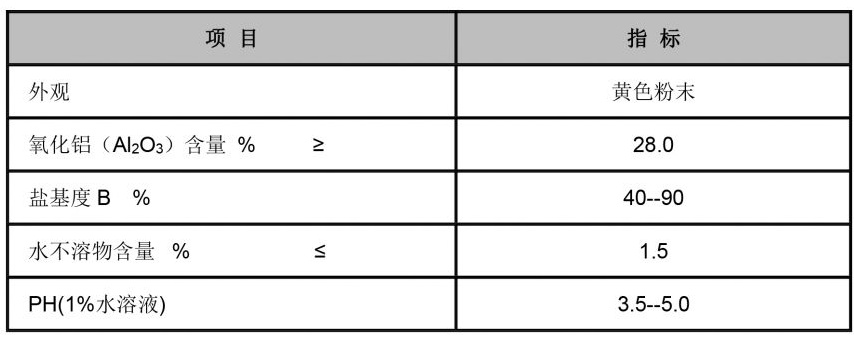
poly aluminium chloride price per kg / polyacrylamide price per kg / hedp price: As a manufacturer, LKP BTC offers competitive "pricing" for their chemicals. The "price per kg" for "poly aluminium chloride," "polyacrylamide," and specialty chemicals like "HEDP" is not fixed and varies based on the product grade, purity, concentration, and order volume. They provide quotes based on these specific customer requirements. |
|
|
|
|
|
READ MORE
|
|
|

|
|
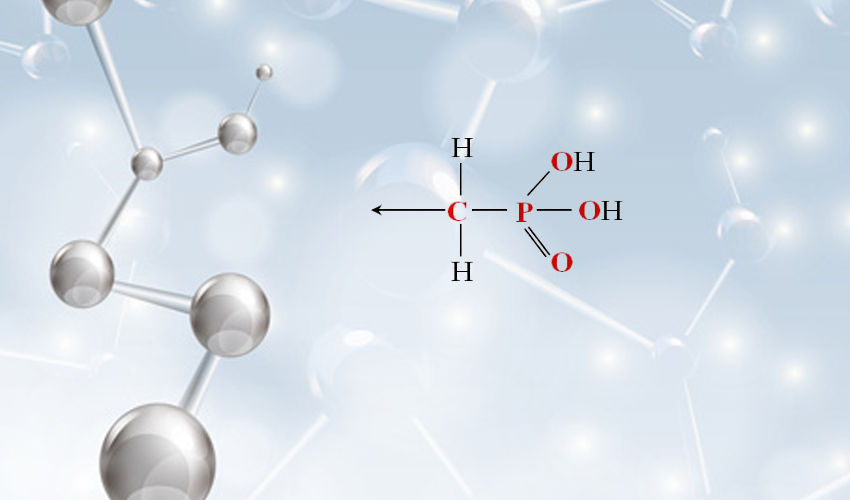
phosphoric acid corrosion inhibitor / phosphate corrosion inhibitor / phosphate ester corrosion inhibitor / phosphonate corrosion inhibitor: LKP BTC manufactures "corrosion inhibitors" based on "phosphoric acid," "phosphate," "phosphate ester," and "phosphonate" chemistry. These compounds work by forming a protective, passivating layer on metal surfaces (often iron and steel) to prevent corrosive agents from attacking the metal. |
|
|
|
|
|
READ MORE
|
|
|
|
|
|
|
|