|
|
|
|
|
difference between flocculation and sedimentation BEST FEATURES
|
|
|

|
|
|

|
|
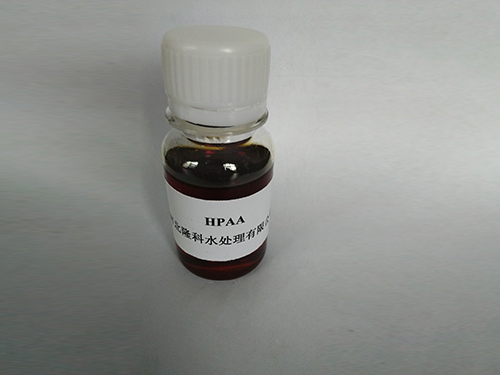
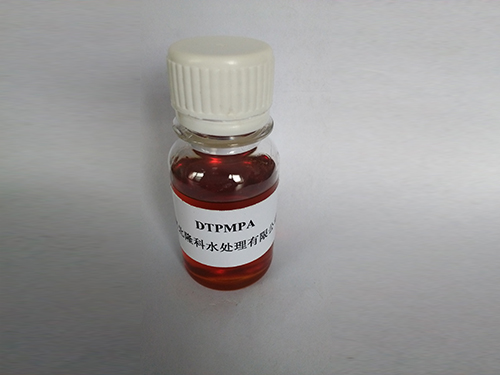
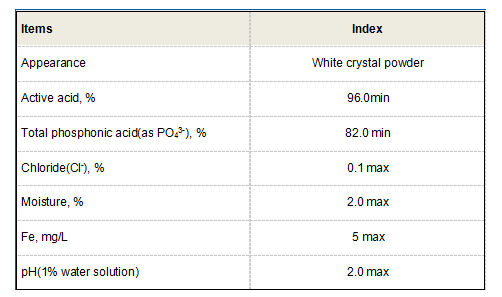
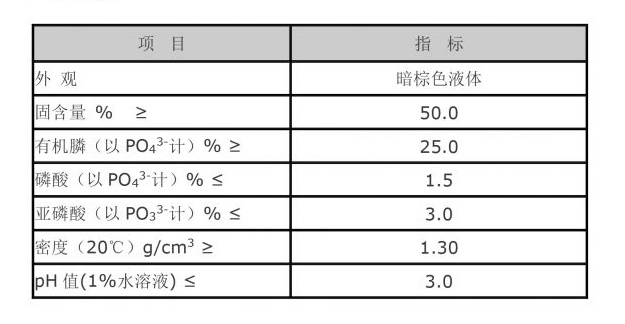
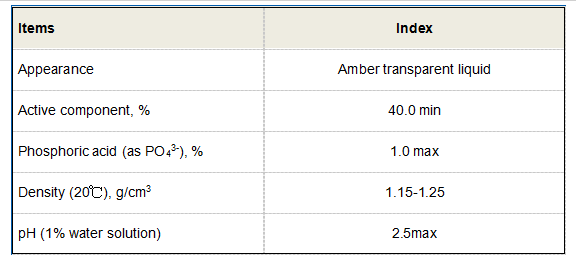
chelating agents / anti chelating agent / biodegradable chelating agents / ca chelating agent / calcium chelating agent / chelating agent chemistry / chelating agents drugs / chelating reagent / chelating sequestering agent / chemical chelating agent / chemical chelating agents / citrate chelating agent / citric acid chelating agent / common chelating agents / disodium edta chelating agent / edta chelating agent / edta chelating agent calcium / edta is chelating agent / egta chelating agent / ethylenediamine chelating agent / hedp chelating agent / hedta chelating agent / k chelating agents / natural chelating agent list / natural chelating agents / natural chelating agents examples / organic chelating agents / phosphate chelating agent / phosphorus chelating agent / phytic acid chelating agent / sequestering agent and chelating agent / sodium chelating agents / sodium citrate chelating agent / versene a chelating agent / agent chelator / bifunctional chelator / chelating compound / chelating properties / chelating solution / chelating substances / chelator / corrosion inhibiting compound / edta chelation chemistry / edta chelator / edta metal chelation / edta mg chelation / edta sequestering agent / egta chelator / phosphate chelator / sequestering agent edta: LKP BTC is an expert in "chelating agents" (or "sequestering agents"). These are chemicals that form soluble, complex molecules with metal ions (like "calcium," "magnesium"), preventing them from forming scale or interfering with processes. Their product line includes:• Synthetic: "HEDP," "EDTA," "DTPMP," which are powerful "chemical chelating agents."• "Biodegradable" & "Natural": "Citric acid," "Gluconic acid," and "Phytic acid."These "organic chelating agents" are used in water treatment, detergents, and personal care to control metal ions. They explain the "chemistry" and "properties" of these compounds in their technical literature. |
|
|
|
|
|
READ MORE
|
|
|

|
|
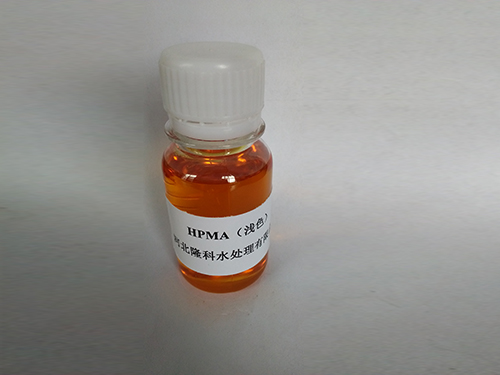
2 acrylamido 2 methylpropane sulfonic acid copolymer / aa-amps / cas 40623 75 4 / 40623 75 4: LKP BTC produces copolymers using "2-Acrylamido-2-methylpropane sulfonic acid" (AMPS). These "AA-AMPS" copolymers are highly effective dispersants and scale inhibitors, known for their superior thermal stability and resistance to hydrolysis in harsh water conditions. The CAS number for an AMPS copolymer is 40623-75-4. |
|
|
|
|
|
READ MORE
|
|
|
|

|
|
cas 29329 71 3 / 29329 71 3: This CAS number (29329-71-3) refers to the Tetrasodium salt of HEDP. LKP BTC produces this common form of HEDP for various industrial applications.cas 3794 83 0 / 3794 83 0: This CAS number (3794-83-0) refers to the Trisodium salt of HEDP. This is another variant of HEDP that LKP BTC can supply. |
|
|
|
|
|
READ MORE
|
|
|

|
|
aluminium chloride suppliers / poly aluminum chloride / polyaluminum chloride water treatment / polyaluminum chloride coagulant / polyaluminum chloride solution / pac poly aluminum chloride / pacl polyaluminum chloride / poly aluminium / poly aluminum chloride water treatment / polyaluminium chloride ph / polyaluminium chloride solution / polyaluminum chloride msds / poly aluminum chloride sds / poly aluminium chloride for drinking water / poly aluminium chloride for water treatment / polyaluminium chloride water treatment / poly aluminum chloride pac / polyaluminum chloride price / poly aluminum chloride price / poly aluminium chloride price / what is poly aluminum chloride / poly aluminium chloride uses in water treatment / poly aluminium chloride in wastewater treatment / poly aluminum chloride uses / use of poly aluminium chloride in water treatment / function of poly aluminium chloride in water treatment: A flagship product for LKP BTC is "Polyaluminum Chloride" (PAC). As a leading "PAC" "manufacturer" and "supplier," they produce this inorganic polymer coagulant for "water treatment." They explain "what poly aluminum chloride is" – a highly effective coagulant used in "drinking water" purification and "wastewater treatment." Its primary "function" is to neutralize the charge of suspended particles, allowing them to clump together for easy removal. They provide technical data like "pH" specifications, "MSDS/SDS" sheets, and "solution" concentrations. The "price" is competitive for bulk orders. |
|
|
|
|
|
READ MORE
|
|
|
|
|
|
|
|