|
|
|
|
|
WELCOME TO difference between coagulation and flocculation pdf |
|
|

|
|
|
|
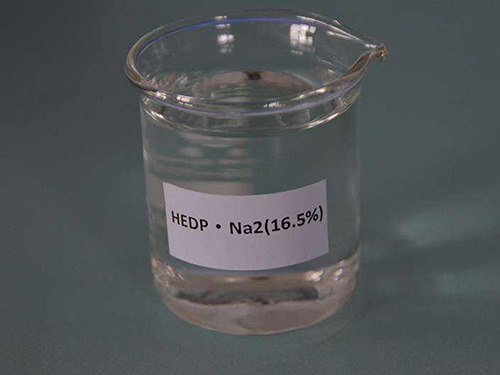
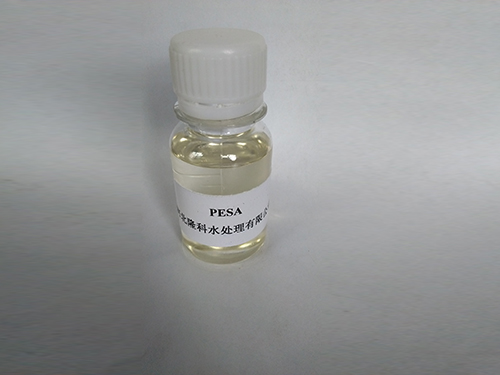
hedp in soap: LKP BTC explains the application of "HEDP in soap" and detergent formulations. In this context, HEDP acts as a builder, chelating calcium and magnesium ions in hard water to prevent them from interfering with the cleaning action of the surfactants. This improves the efficiency of the soap or detergent.polyepoxysuccinic acid / pesa: LKP BTC produces "PESA" (Polyepoxysuccinic Acid), a green and biodegradable scale inhibitor. It is a non-phosphorus, non-nitrogenous polymer that effectively inhibits calcium carbonate and calcium sulfate scales, making it an environmentally friendly choice for water treatment.https://cdn.exportstart.com/images/a1132/goods/7_2024041015554516631.jpgcorrosion inhibitor chemicals / corrosion and scale inhibitor / polymer modified active corrosion inhibitor / green corrosion inhibitor / inorganic corrosion inhibitors / long term corrosion inhibitor / oil based corrosion inhibitor / water soluble corrosion inhibitor / volatile corrosion inhibitor chemicals / vci volatile corrosion inhibitor / volatile corrosion inhibitors vci / volatile corrosion inhibitor oil: A core expertise of LKP BTC is developing a wide range of "corrosion inhibitor chemicals." Their portfolio includes:• Multi-functional: "Corrosion and scale inhibitor" blends.• Advanced: "Polymer modified" and "inorganic" inhibitors for enhanced film formation.• Eco-friendly: "Green corrosion inhibitors" made from biodegradable components.• Vapor-phase: "Volatile Corrosion Inhibitors" (VCI) that protect enclosed spaces and are used in "oil" coatings.• Application-specific: "Long term," "oil based," and "water soluble" formulations for different environments.flocculant types / what is poly aluminium chloride / poly aluminium chloride uses / polyacrylamide use / polyacrylamide formation: LKP BTC provides extensive technical expertise on their products. They explain the different "types of flocculants" (anionic, cationic, nonionic polyacrylamide) and their specific applications. They detail "what poly aluminium chloride is" – an inorganic coagulant – and its "uses" in removing suspended solids. For "polyacrylamide," they cover its "use" as a flocculant to aggregate fine particles and its chemical "formation" process. |
|
|

|
|
|
|
|
|