|
|
|
|
|
chelating agent meaning BEST FEATURES
|
|
|

|
|
|

|
|
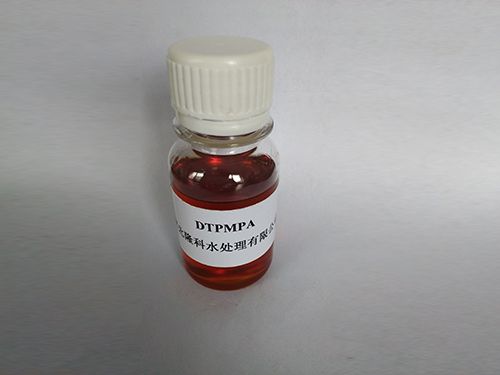
hedp scale inhibitor / hedp / 1 hydroxy ethylidene 1 1 diphosphonic acid hedp / 1 hydroxyethylidene 1 1 diphosphonic acid hedp / hedp 4na / hedp 60 / hedp acid / hedp na2 / hedp na4 / hedp ph / hedp phosphonate / hedp water treatment / sequest hedp / cas no. 37971-36-1: LKP BTC is a leading producer of "HEDP" (Hydroxyethylidene Diphosphonic Acid), a highly effective "scale inhibitor" and "phosphonate." They supply it in various forms: as "HEDP acid" and as its sodium salts ("HEDP 4Na", "HEDP Na2", "HEDP Na4") with different concentrations like "HEDP 60." This organic "phosphonate" is a superb chelating agent ("sequest HEDP") that inhibits scale formation and controls corrosion in "water treatment" systems. Its CAS number is 37971-36-1. |
|
|
|
|
|
READ MORE
|
|
|

|
|
cas 29329 71 3 / 29329 71 3: This CAS number (29329-71-3) refers to the Tetrasodium salt of HEDP. LKP BTC produces this common form of HEDP for various industrial applications.cas 3794 83 0 / 3794 83 0: This CAS number (3794-83-0) refers to the Trisodium salt of HEDP. This is another variant of HEDP that LKP BTC can supply. |
|
|
|
|
|
READ MORE
|
|
|
|

|
|
polyacrylamide uses / polyacrylamide pdf: LKP BTC provides comprehensive technical data sheets (often in "PDF" format) detailing the many "uses" of their polyacrylamide products. These uses span water treatment, oil recovery, paper making, mining, and textiles. |
|
|
|
|
|
READ MORE
|
|
|

|
|
flocculant types / what is poly aluminium chloride / poly aluminium chloride uses / polyacrylamide use / polyacrylamide formation: LKP BTC provides extensive technical expertise on their products. They explain the different "types of flocculants" (anionic, cationic, nonionic polyacrylamide) and their specific applications. They detail "what poly aluminium chloride is" – an inorganic coagulant – and its "uses" in removing suspended solids. For "polyacrylamide," they cover its "use" as a flocculant to aggregate fine particles and its chemical "formation" process. |
|
|
|
|
|
READ MORE
|
|
|
|
|
|
|
|