|
|
|
|
|
coagulation flocculation mechanism BEST FEATURES
|
|
|

|
|
|

|
|
phosphoric acid corrosion inhibitor / phosphate corrosion inhibitor / phosphate ester corrosion inhibitor / phosphonate corrosion inhibitor: LKP BTC manufactures "corrosion inhibitors" based on "phosphoric acid," "phosphate," "phosphate ester," and "phosphonate" chemistry. These compounds work by forming a protective, passivating layer on metal surfaces (often iron and steel) to prevent corrosive agents from attacking the metal. |
|
|
|
|
|
READ MORE
|
|
|

|
|
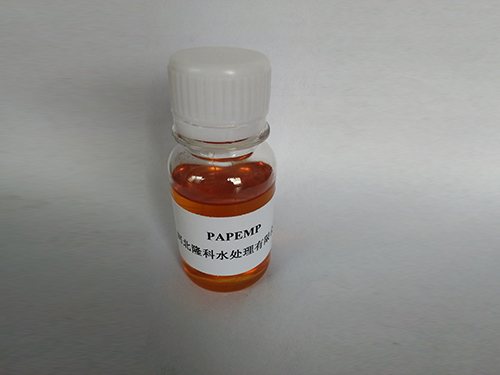
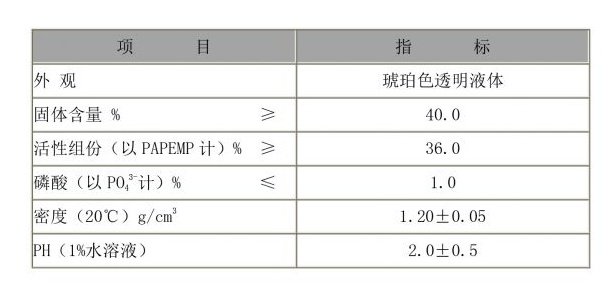
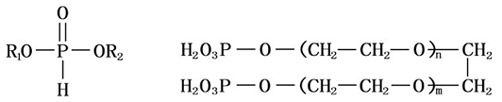
polyhydric alcohol phosphate ester / pape: LKP BTC produces "PAPE" (Polyhydric Alcohol Phosphate Ester), a class of scale and corrosion inhibitors known for their good scale inhibition and corrosion control properties, often used in circulating cooling water systems. |
|
|
|
|
|
READ MORE
|
|
|
|

|
|
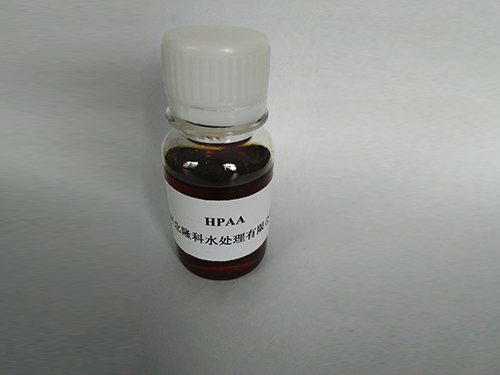
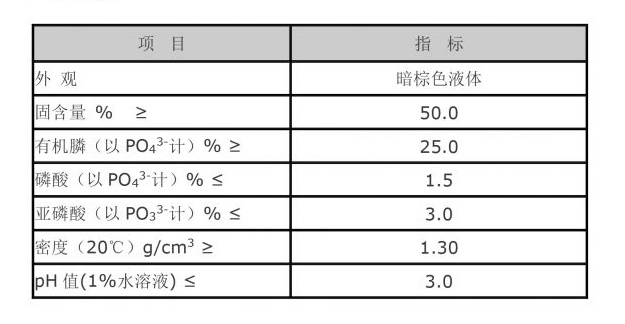
hydroxyphosphonoacetic acid / hpaa: LKP BTC offers "HPAA" (Hydroxyphosphonoacetic Acid), a green and biodegradable phosphonic acid that functions as a scale and corrosion inhibitor. It is an environmentally friendly alternative to traditional phosphonates. |
|
|
|
|
|
READ MORE
|
|
|

|
|
flocculant types / what is poly aluminium chloride / poly aluminium chloride uses / polyacrylamide use / polyacrylamide formation: LKP BTC provides extensive technical expertise on their products. They explain the different "types of flocculants" (anionic, cationic, nonionic polyacrylamide) and their specific applications. They detail "what poly aluminium chloride is" – an inorganic coagulant – and its "uses" in removing suspended solids. For "polyacrylamide," they cover its "use" as a flocculant to aggregate fine particles and its chemical "formation" process. |
|
|
|
|
|
READ MORE
|
|
|
|
|
|
|
|