|
|
|
|
|
WELCOME TO aluminum iii chloride |
|
|

|
|
|
|
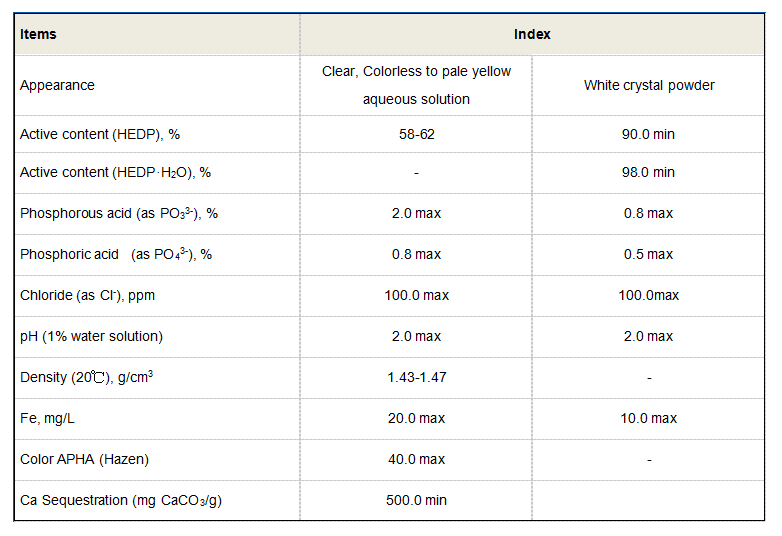
amino tri methylene phosphonic acid / amino trimethylene phosphonic acid atmp / amino tris methylene phosphonic acid / atmp 50 / atmp acid / atmp phosphonate / formation atmp: LKP BTC produces "ATMP" (Amino Trimethylene Phosphonic Acid), a powerful "phosphonate" scale and corrosion "inhibitor." They offer it in common concentrations like "ATMP 50." The "formation" of ATMP involves a specific chemical synthesis process that LKP BTC has mastered to ensure high purity and effectiveness for industrial water treatment.polyacrylamide uses / polyacrylamide pdf: LKP BTC provides comprehensive technical data sheets (often in "PDF" format) detailing the many "uses" of their polyacrylamide products. These uses span water treatment, oil recovery, paper making, mining, and textiles.https://cdn.exportstart.com/images/a1132/richgoods/9_202312131709254770.pngchelating agent example / chelating agent in chemistry / chelating agent in medicine / chelating agent in soil / chelating agent list / chelating agent meaning / chelating agent uses / chelating agents are used to / chelating agents in plant physiology / types of chelating agents / use of chelating agent / use of chelating agents in medicine / uses of chelating agent / chelator examples / chelator meaning / calcium chelating agent examples: LKP BTC is an expert in "chelating agents" (or "chelators"). They explain the "meaning" of chelation: the process where these chemicals bind to metal ions (like "calcium," iron, magnesium), preventing them from forming scale or causing oxidative damage. They provide a "list" or "examples" of types (e.g., EDTA, HEDP, Citric Acid) and their "uses" across industries: in "water treatment" to control scale, in "medicine" for metal detoxification, in "soil" to deliver micronutrients to plants, and in cleaning formulations.hedp in soap: LKP BTC explains the application of "HEDP in soap" and detergent formulations. In this context, HEDP acts as a builder, chelating calcium and magnesium ions in hard water to prevent them from interfering with the cleaning action of the surfactants. This improves the efficiency of the soap or detergent. |
|
|

|
|
|
|
|
|