|
|
|
|
|
difference between coagulation and flocculation pdf BEST FEATURES
|
|
|

|
|
|

|
|
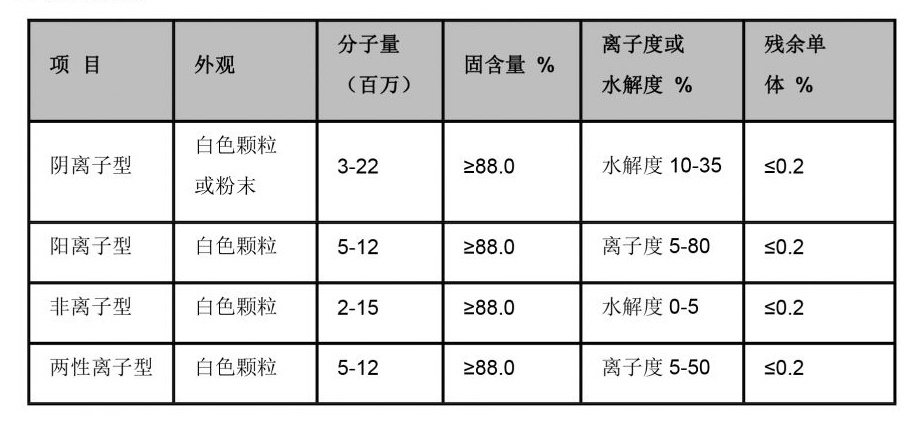
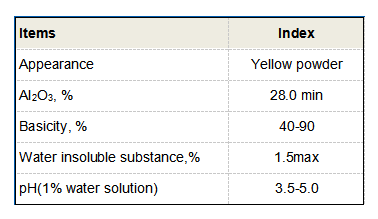
flocculant for sale / types of flocculants in water treatment / different types of flocculants / oem flocculant / flocculant factory / flocculant manufacturer / flocculant supplier / flocculant water treatment / flocculant chemical / flocculant chemicals for water treatment / flocculants used in water treatment / water flocculant / floc water treatment / industrial flocculant / coagulants and flocculants / coagulant and flocculant chemicals / coagulant flocculant / coagulants and flocculants in water treatment / flocculant vs coagulant / coagulation and flocculation in water treatment / coagulation and flocculation / coagulation flocculation / water flocculation chemicals / flocculation chemicals / water treatment flocculation chemicals / chemical coagulation and flocculation water treatment / flocculation in water purification / water coagulation and flocculation / flocculant price / difference between flocculant and coagulant: This extensive list represents the core of LKP BTC's business: manufacturing and supplying "flocculants" and "coagulants." As a "flocculant factory," they produce a wide range of "flocculant chemicals for water treatment," including:• Coagulants (e.g., "polyaluminum chloride"): Charge-neutralizing chemicals that destabilize particles.• Flocculants (e.g., "polyacrylamide"): Polymers that aggregate destabilized particles into larger "flocs."They explain the "difference between flocculant and coagulant" and their synergistic use in the "coagulation and flocculation" process to remove suspended solids from water in municipal and "industrial" treatment plants. They offer "OEM" services and competitive "prices." |
|
|
|
|
|
READ MORE
|
|
|

|
|
amino trimethylene phosphonic acid / atmp / atmp scale inhibitor / atmp antiscalant / atmp price / amino trimethylene phosphonic acid uses / atmp manufacturing / atmps / atmp production / cas no 6419 19 8 / 6419 19 8 / cas 6419 19 8 / 6419 19 8 cas: A fundamental product for LKP BTC is "ATMP" (Amino Trimethylene Phosphonic Acid). They are a top "manufacturer" involved in the entire "production" process. ATMP is a widely used "phosphonate" that serves as an effective "scale inhibitor" and "antiscalant" in water treatment systems, particularly for carbonate scales. Its CAS number is 6419-19-8. |
|
|
|
|
|
READ MORE
|
|
|
|

|
|
phosphonic acid / organophosphonates / organic phosphonate: LKP BTC specializes in "phosphonic acid" derivatives and "organophosphonates." These "organic phosphonate" compounds are the active ingredients in many of their high-efficiency scale and corrosion inhibitors. They are valued for their strong chelating power and stability. |
|
|
|
|
|
READ MORE
|
|
|

|
|
corrosion inhibitors / inhibitors for corrosion / 2 ethylhexanoic acid corrosion inhibitor / sodium 2 ethylhexanoate corrosion inhibitor / encapsulated corrosion inhibitor / surface applied corrosion inhibitor / common corrosion inhibitors / engine corrosion inhibitor / engine coolant corrosion inhibitors / anti corrosion inhibitor / rust and corrosion inhibitors / rustlick corrosion inhibitor / rust corrosion inhibitor / corrosion rust inhibitor / corrosion and rust inhibitors / chemical inhibitors for corrosion control / corrosion inhibitors are / corrosion inhibitors for reinforced concrete / industrial corrosion inhibitors / corrosion inhibitor for heating systems / pipeline corrosion inhibitor / boiler corrosion inhibitor / boiler water corrosion inhibitor / eco friendly corrosion inhibitors: A fundamental product category for LKP BTC is "corrosion inhibitors." They formulate a wide range of "chemical inhibitors for corrosion control" to protect metal surfaces in various systems:• By Chemistry: "2-Ethylhexanoic acid" and its salts are common film-forming "corrosion inhibitors."• By Application: "Industrial" grade for "pipelines," "boilers," "heating systems," "engine coolants," and "reinforced concrete."• By Formulation: "Encapsulated" for slow release, "surface applied" for direct treatment, and "eco-friendly" biodegradable options.Their inhibitors work by forming a protective barrier, neutralizing corrosive acids, or passivating the metal surface to prevent "rust and corrosion." |
|
|
|
|
|
READ MORE
|
|
|
|
|
|
|
|