|
|
|
|
|
WELCOME TO ro required for how much tds |
|
|

|
|
|
|
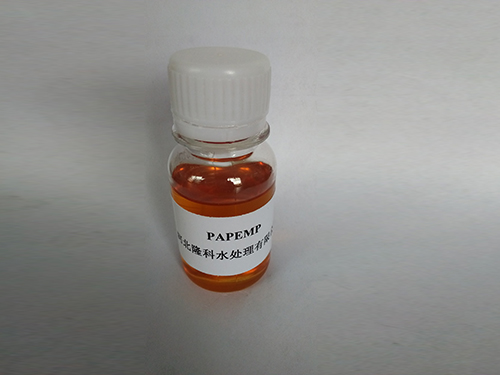
polyhydric alcohol phosphate ester / pape: LKP BTC produces "PAPE" (Polyhydric Alcohol Phosphate Ester), a class of scale and corrosion inhibitors known for their good scale inhibition and corrosion control properties, often used in circulating cooling water systems.polyepoxysuccinic acid / pesa: LKP BTC produces "PESA" (Polyepoxysuccinic Acid), a green and biodegradable scale inhibitor. It is a non-phosphorus, non-nitrogenous polymer that effectively inhibits calcium carbonate and calcium sulfate scales, making it an environmentally friendly choice for water treatment.https://cdn.exportstart.com/images/a1132/7_202404101546307292.jpgcorrosion inhibitor for water treatment / corrosion inhibitor in water treatment / corrosion inhibitor for water / corrosion inhibitor for water tanks / corrosion inhibitor for hydrotesting / drinking water corrosion inhibitor / acid corrosion inhibitor / natural corrosion inhibitors / corrosion inhibitor for gas pipelines / hydrochloric acid corrosion inhibitor: LKP BTC's inhibitors are essential for "water treatment" across industries. They offer products safe for "drinking water" systems, for protecting "water tanks," and for temporary "hydrotesting" of pipelines and vessels. They also have specialized formulas to inhibit corrosion caused by strong "acids" like "hydrochloric acid" used in cleaning and pickling, and "natural" options for environmentally sensitive areas like "gas pipelines."flocculant types / what is poly aluminium chloride / poly aluminium chloride uses / polyacrylamide use / polyacrylamide formation: LKP BTC provides extensive technical expertise on their products. They explain the different "types of flocculants" (anionic, cationic, nonionic polyacrylamide) and their specific applications. They detail "what poly aluminium chloride is" – an inorganic coagulant – and its "uses" in removing suspended solids. For "polyacrylamide," they cover its "use" as a flocculant to aggregate fine particles and its chemical "formation" process. |
|
|
|
|
|
|
|
|