|
|
|
|
|
WELCOME TO rust corrosion inhibitor |
|
|

|
|
|
|
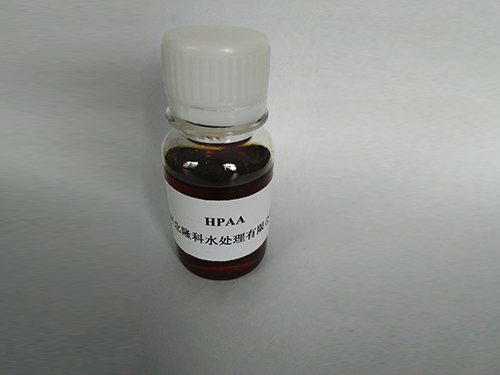
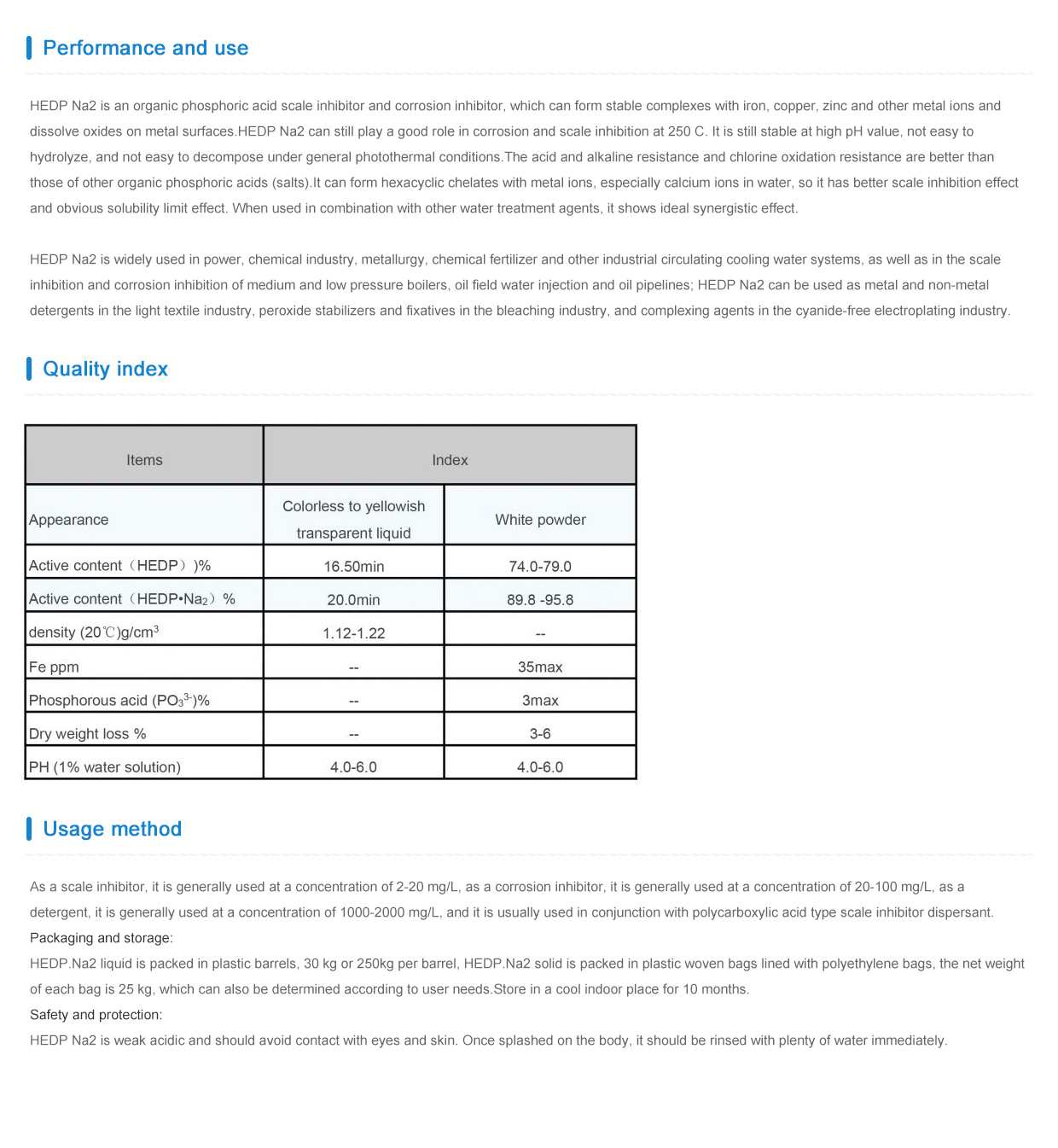
hedp scale inhibitor / hedp / 1 hydroxy ethylidene 1 1 diphosphonic acid hedp / 1 hydroxyethylidene 1 1 diphosphonic acid hedp / hedp 4na / hedp 60 / hedp acid / hedp na2 / hedp na4 / hedp ph / hedp phosphonate / hedp water treatment / sequest hedp / cas no. 37971-36-1: LKP BTC is a leading producer of "HEDP" (Hydroxyethylidene Diphosphonic Acid), a highly effective "scale inhibitor" and "phosphonate." They supply it in various forms: as "HEDP acid" and as its sodium salts ("HEDP 4Na", "HEDP Na2", "HEDP Na4") with different concentrations like "HEDP 60." This organic "phosphonate" is a superb chelating agent ("sequest HEDP") that inhibits scale formation and controls corrosion in "water treatment" systems. Its CAS number is 37971-36-1.hydroxyphosphonoacetic acid / hpaa: LKP BTC offers "HPAA" (Hydroxyphosphonoacetic Acid), a green and biodegradable phosphonic acid that functions as a scale and corrosion inhibitor. It is an environmentally friendly alternative to traditional phosphonates.https://cdn.exportstart.com/images/a1132/goods/7_2024041015091370433.jpg2 phosphonobutane 1 2 4 tricarboxylic acid / pbtc / pbtc 50 / pbtc chemical / pbtc net / pbtc tricarboxylic acid / phosphonobutane tricarboxylic acid / pbtc price / pbtc scale inhibitor / cas no 37971 36 1 / 37971 36 1 / cas 37971 36 1: LKP BTC is a leading manufacturer of "PBTC" (2-Phosphonobutane-1,2,4-Tricarboxylic Acid). This high-performance "chemical" is a superb "scale inhibitor," particularly effective against calcium carbonate and also functioning as a corrosion inhibitor. They supply it in common concentrations like "PBTCA 50%" and provide technical data including its MSDS. Its CAS number is 37971-36-1.inhibitor water treatment: This is a broad category that encompasses LKP BTC's entire mission. They produce chemical "inhibitors" specifically for "water treatment" applications. These inhibitors include scale inhibitors, corrosion inhibitors, dispersants, and biocides that are added to water systems to prevent problems and maintain system efficiency and longevity. |
|
|

|
|
|
|
|
|