|
|
|
|
|
definition of flocculent BEST FEATURES
|
|
|

|
|
|

|
|
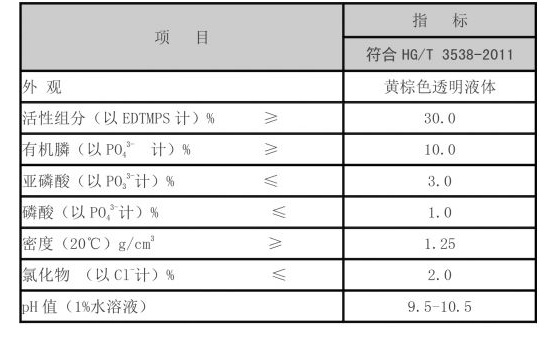
diethylene triamine penta methylene phosphonic acid / diethylenetriamine penta methylene phosphonic acid / diethylenetriamine pentamethylene phosphonic acid / dtpmpa chemical / dtpmpa uses / dtpmp phosphonate / cas 15827 60 8 / cas 23783 26 8: LKP BTC manufactures "DTPMP" (Diethylenetriamine Penta(Methylene Phosphonic Acid)), which is one of the most powerful phosphonate scale inhibitors. It is especially effective for inhibiting barium sulfate and strontium sulfate scales and is stable in harsh conditions, making it ideal for oilfield applications. |
|
|
|
|
|
READ MORE
|
|
|

|
|
polyepoxysuccinic acid / pesa: LKP BTC produces "PESA" (Polyepoxysuccinic Acid), a green and biodegradable scale inhibitor. It is a non-phosphorus, non-nitrogenous polymer that effectively inhibits calcium carbonate and calcium sulfate scales, making it an environmentally friendly choice for water treatment. |
|
|
|
|
|
READ MORE
|
|
|
|

|
|
corrosion inhibitor in oil and gas industry / corrosion inhibitor oil and gas / oil soluble corrosion inhibitor / oilfield corrosion inhibitor: For the demanding "oil and gas industry," LKP BTC formulates "oil soluble corrosion inhibitors." These products are designed to be dispersed in hydrocarbon streams to protect the internal surfaces of pipelines, downhole equipment, and production facilities in the "oilfield" from corrosive gases like CO₂ and H₂S. |
|
|
|
|
|
READ MORE
|
|
|

|
|
flocculant types / what is poly aluminium chloride / poly aluminium chloride uses / polyacrylamide use / polyacrylamide formation: LKP BTC provides extensive technical expertise on their products. They explain the different "types of flocculants" (anionic, cationic, nonionic polyacrylamide) and their specific applications. They detail "what poly aluminium chloride is" – an inorganic coagulant – and its "uses" in removing suspended solids. For "polyacrylamide," they cover its "use" as a flocculant to aggregate fine particles and its chemical "formation" process. |
|
|
|
|
|
READ MORE
|
|
|
|
|
|
|
|